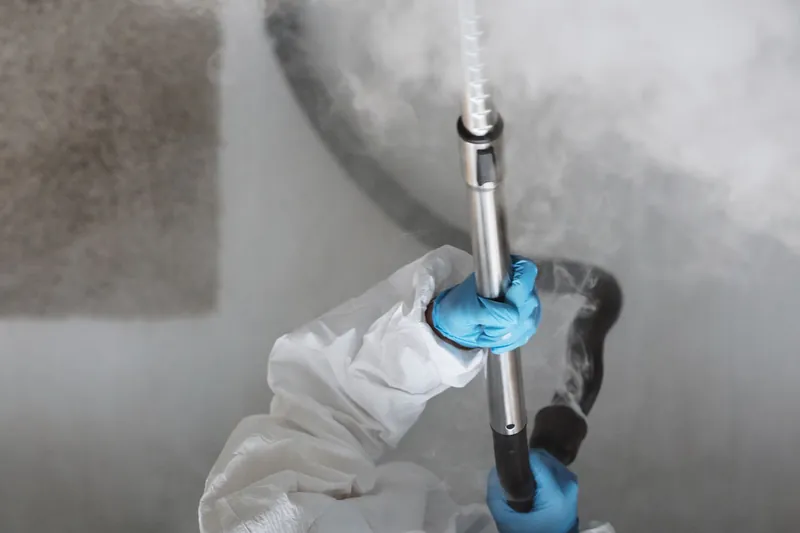
Infectious Disease Disinfection
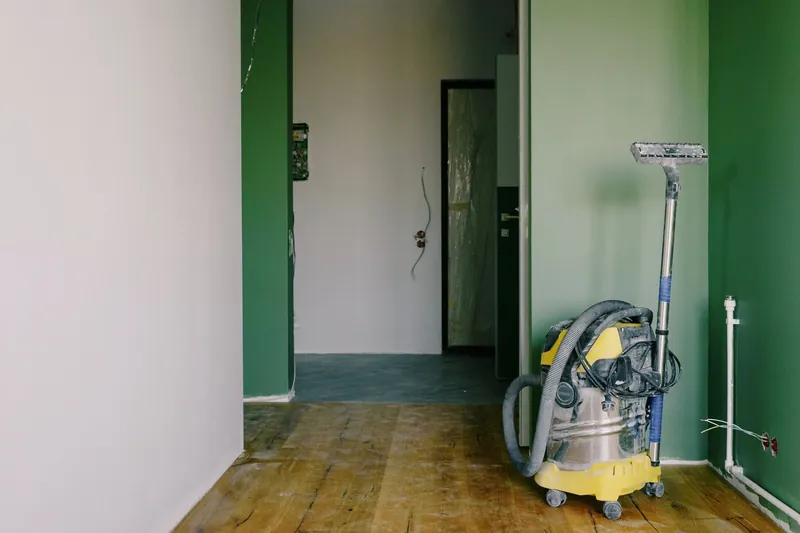
EPA-registered products are applied across all surfaces during infectious disease disinfection.
See infectious disease disinfectionGet MRSA, C. diff or norovirus contamination cleaned from a home, rental, gym, care setting or workplace in Dilworth. The work can include containment, surface cleaning, target-specific disinfection and controlled waste packaging.
Focused disinfection and cleaning of a contaminated vehicle, facility, home or room after an outbreak, exposure or illness is known as cleanup for norovirus, C. diff and MRSA.
One cleaning method is not suitable for all three organisms. The bacterium MRSA resists multiple antibiotics, while the bacterium C. diff can produce hardy spores. Norovirus is a very contagious virus, and contaminated objects, hands, bodily fluids or food can spread it. Product labels must name the organism and guide the required surface preparation, choice of disinfectant and contact time.
First, the affected locations, frequently touched points and materials that could retain contamination are identified. Technicians then isolate the work area and put on protective gear. They clear visible soil, clean each surface and use an EPA-registered disinfectant as its label directs. Porous belongings also require attention. Contamination in unfinished wood, padding or fabric may remain beyond the reach of a brief surface spray.
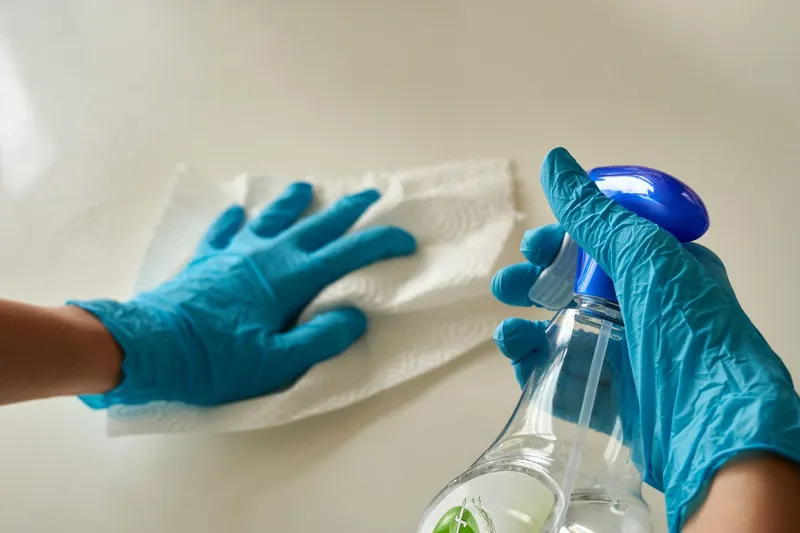
The evaluation considers material and contact for personal property, textiles and shared devices. Items that may have to be removed can be discussed with you while they remain in the work area.
You hear which rooms and surfaces are included, which items need separate treatment and which factors affect the cost before cleanup begins.
Disposal records, photos and scope notes can help you move forward in talks with the insurance company, infection-control lead, manager or property owner.
Crews arrive in unmarked vehicles, and calls are answered around the clock. You may discuss a workplace, residence, rental or care facility without attracting unnecessary attention.
When routine housekeeping is not safe for the affected space, specialized cleaning may be useful. It can also help where many people use common surfaces. Examples include:
A known infection may make targeted cleaning necessary in any room, restroom or gym area, as well as on communal equipment the person used. The focus includes surfaces touched often or directly.
Before returning a room to service, a property manager may require documentation of the cleaning process. Bathrooms, linens, hard surfaces and housekeeping tools are considered together.
Illness can affect floors, bedding, bathrooms and surrounding touch points. The process removes soil, then applies a disinfectant bearing an appropriate C. diff claim for the full time on its label.
Exercise mats, benches, door hardware, lockers and shared equipment receive close attention. Cleanable areas are treated with controls that prevent soiled tools or cloths from moving into clean spaces.
Start by reducing contact and preserving a clear boundary around all affected areas. These steps help protect you and keep contamination from spreading:
Call (888) 440-9227Published guides do not include a dedicated cleanup cost range for norovirus, MRSA or C. diff. Related biohazard cost guides show a typical national range of $3,000 to $5,000 and a residential average from $1,800 to $4,500 for reference. Most residential jobs are shown from $2,500 to $8,000 for those cases, and the complete published span runs between $1,500 and $25,000 overall. These figures do not set your property's price. Affected space, material types and disposal requirements determine the actual scope.
The figures shown are national ranges from published cost guides and are not based on an on-site visit. After an on-site assessment, the price for your property is determined and shared with you before cleanup begins.
Ask about cost: (888) 440-9227Payment depends on the cause of the contamination, the type of property, the policy terms and any lease or facility agreement that applies. Insurance assistance starts with asking the insurer what records it needs.
Who is responsible may depend on local requirements, the lease and what caused the problem. Tenants and property owners should document affected rooms and agree on access before contaminated items are moved.
A gym, school, care setting or business needs to follow its own approval procedure and infection-control plan. The owner, manager and insurance company can determine who authorizes work and pays.
Some homeowners or renters policies may cover professional cleanup when it follows a covered event. Tell the insurance company the circumstances, request details on infectious disease or biohazard cleanup and save the claim number.
Confirm with insurance companies what scope notes, photos, lists of items and disposal records are needed. When there is no safety risk in waiting, retain property until instructions arrive and keep every communication.
A controlled process moves from initial assessment and containment into surface cleaning, disinfection and a concluding inspection. At every point, the work is adapted to the target organism, the location and surface involved, and all directions on chosen product labels.
Technicians examine shared gear and porous materials along with the rooms and touch points in the scope. Knowing the suspected organism helps establish which cleaning products to use and in what order.
The work area remains separate from unaffected space. Entry is controlled while protective gear suited to the task is chosen, and a defined route guides tools in and sealed waste out.
Disposable items and porous materials that cannot be fully cleaned may be bagged within the work zone. Reusable items that can be properly cleaned or laundered are separated from hazardous materials.
Visible soil and organic material are removed first. Clearing material left behind helps prevent it from blocking the surface or weakening the disinfectant.
An EPA-registered disinfectant bearing a label claim suitable for the organism is applied to cleanable surfaces. The surface stays wet throughout the contact time listed on the label.
Separation prevents used materials, including cloths, mop heads, protective equipment and linens, from mixing with clean supplies. Each item follows the appropriate laundering, cleaning or waste disposal path.
Inspection moves through the work zone from frequently touched points to concealed transitions and floor edges. The completed scope and any materials set aside or removed are documented.
You get a summary identifying treated spaces and any facility actions still required. Restoration services may be needed if contaminated building materials were removed. Medical, public health or infection-control guidance determines people-related precautions beyond the physical cleaning.
You can call anytime. A specialist in MRSA, C. diff and norovirus cleanup takes your call, explains each step and agrees on a start time with you.
Serious health risks are possible with these infections. Because their routes of spread differ, safe cleanup must account for which organism is involved, what material was contaminated and how the space is used.
Hands and cleaning equipment, including cloths and mop heads, may carry contamination into surrounding areas along with laundry. That transfer is limited by keeping used and clean supplies separate and setting a controlled work route.
C. diff can form spores that are harder to inactivate than many common germs. The surface needs visible soil removed and a disinfectant whose label claim fits the material and target organism.
An illness in a home, care setting or workplace can feel urgent and disruptive. You may stay away from the affected area as someone explains the cleanup scope and steps for returning safely.
Can you clean it yourself? Ordinary household cleaning may be sufficient if the space has only routine soil and no exposure or illness is suspected. Professional cleanup may be appropriate for suspected or confirmed infectious illness, bodily fluids in porous materials, multiple affected rooms or shared facilities, or any situation where clean and contaminated belongings cannot stay apart.
The schedule is set after the affected rooms, surfaces and organism are assessed. A limited hard-surface area takes less work than several rooms with textiles, shared equipment or porous materials.
| Scene | Typical time on site |
|---|---|
| Limited space with hard surfaces in reach | The schedule is determined after reviewing the surface and the product's contact time |
| A single room containing fabrics or communal equipment | Item treatment, cleaning and disinfection determine the schedule |
| A shared building or several affected spaces | A phased work plan may be needed before normal use resumes |
Odor removal starts with the source. Disinfectant fragrance is not proof that a room is clean. Physical cleaning and correct product use come first. If bodily fluids reached carpet padding, upholstery or another absorbent layer, odor can remain until the affected material is exposed and treated or removed.
Managing air movement during the work helps prevent disturbed dust and particles from traveling into clean spaces. Removal tasks may be supported by HEPA-filtered equipment. Air treatment, however, is no substitute for direct cleaning on surfaces touched often. Nearby vents also need consideration when cleanup dust or contamination could have reached them.
OSHA standard 29 CFR 1910.1030 applies to workers with possible occupational contact involving certain potentially infectious materials or blood. The standard covers protective equipment, training and methods for controlling exposure.
A suitable product is EPA-registered and has a label claim matching both the organism and surface. Cleaning and the full label contact time are part of correct use.
North Carolina treats soaked materials from a biohazard scene as medical waste. Rules from the state Department of Environmental Quality's Solid Waste Section control how it is packaged, stored, transported and treated, so it cannot go in household trash.
Local health and building rules can affect how a contaminated room is cleaned and when it can be used again, so mention any notice you have received from the city or county.
The full MRSA, C. diff and norovirus cleanup guide covers what is cleaned or removed, odor and air quality work, and the rules that apply in Mecklenburg County.
Read the full MRSA, C. diff and norovirus cleanup guide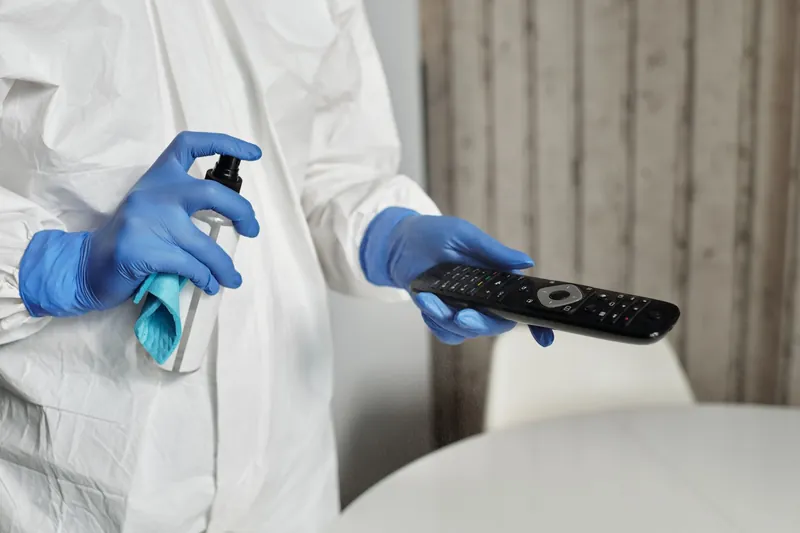
Local housing, population and access details can shape containment, access and cleanup planning.
Knowing that Carolinas Medical Center/Behav Health is about 0.4 miles away helps households plan where to seek care before arranging scene cleanup.
The nearby places of Dilworth Historic District, South End, and Midtown give useful orientation when arranging equipment delivery and waste pickup.
Neighborhood level directions help narrow the location, but crews still need entrance details before bringing containment and cleaning equipment inside.
Medical questions belong with a clinician, while surface disinfection follows label directions, including the required wet contact time.
Your phone conversation can include questions about service in nearby ZIP codes and communities.
EPA-registered products are applied across all surfaces during infectious disease disinfection.
See infectious disease disinfection
After an outbreak, virus disinfection treats shared spaces, offices and homes.
See covid-19 and virus disinfection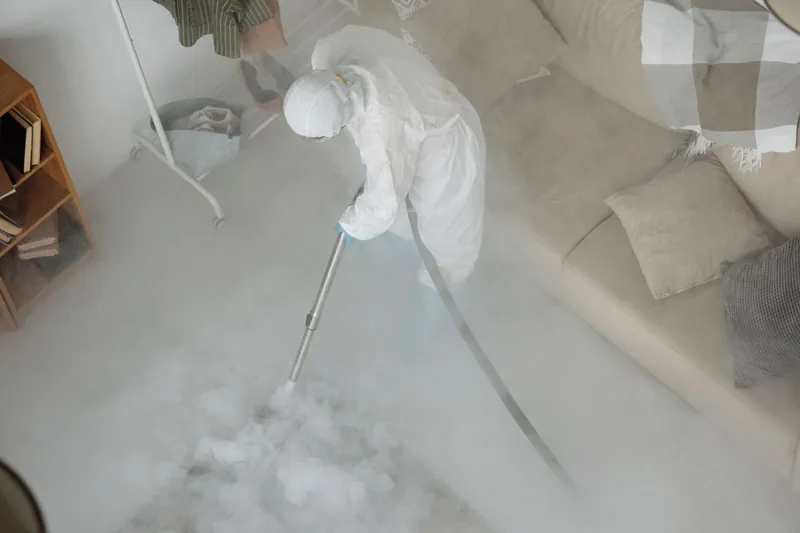
After exposure to infectious or hazardous material, the air, room and surfaces are fully decontaminated.
See biohazard decontamination
Cleanup removes infectious material, including blood and body fluids, and disinfects the property.
See biohazard cleanup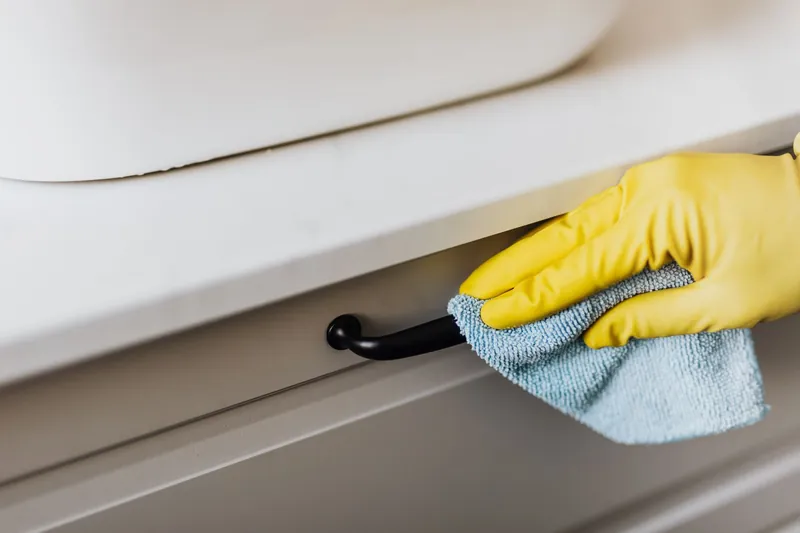
Across care settings, commercial spaces and homes, bodily fluid cleanup includes disinfection.
See bodily fluid cleanup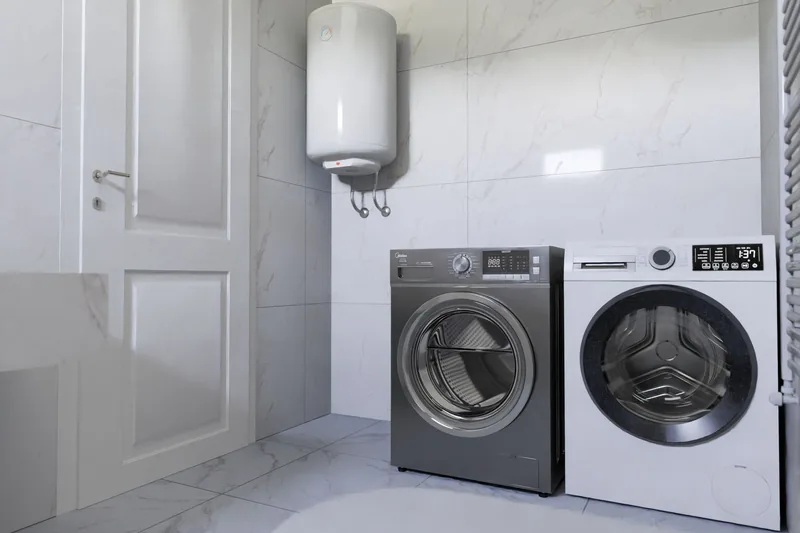
Disinfection accompanies human feces cleanup in public restrooms, homes and rental properties.
See human feces cleanup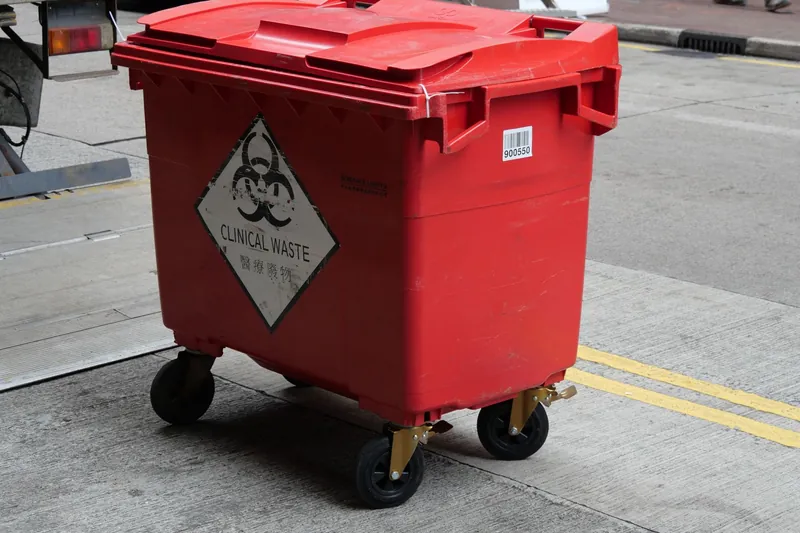
Medical waste removal includes disposal through facilities approved for treatment.
See medical waste removal
Planning for industrial and commercial biohazard cleanup considers operations and access to the site.
See commercial and industrial biohazard cleanupThe work area is separated from clean space, entry is limited and tools move along a controlled path. Separation keeps soiled cloths, protective equipment, laundry, mop heads and waste from mixing with clean materials. Surfaces are cleaned systematically, then the appropriate disinfectant remains in place for the complete contact time on its label.
Hard surfaces that can be cleaned are usually treatable when every affected face is reachable and compatible with the selected product. Individual evaluation is needed for porous items such as upholstery, unfinished wood and padding beneath carpet. Removal may be necessary if contamination entered layers that cannot be safely reached, cleaned and disinfected.
A biological hazard is a biological material that can harm health, including certain bacteria, viruses and contaminated bodily fluids. Controlled treatment may be needed for affected surfaces, porous materials, cleanup waste and used protective gear so contamination does not reach clean areas.
Coverage varies based on the policy, what happened and the type of property. Ask your insurance company specifically whether the policy includes infectious disease or biohazard cleanup. Keep your claim number, then ask about required photos, lists of belongings, scope records and proof of disposal. A facility or rental may also have internal or lease-based payment rules.
Limit access to the affected space and avoid moving laundry, waste or cleaning tools into other rooms. Follow medical, public health or facility guidance for anyone who may have been exposed. Keep different chemicals separate. When discussing cleanup by phone, state which organism is suspected and identify the involved rooms and materials.
A separate MRSA cleanup cost range does not appear in published guides. Related publicly available biohazard guides identify $3,000 to $5,000 as the typical national range; their residential average range is $1,800 to $4,500. These amounts are for reference. Room count, materials, visible soil and waste needs determine the actual scope.
Discreet, respectful MRSA, C. diff and norovirus cleanup, 24 hours a day, with crews in unmarked vehicles.